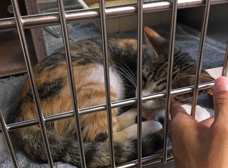


An animal shelter is a facility or organization that takes in and cares for homeless, lost, abused, or abandoned animals — primarily cats and dogs, but sometimes other animals too. Shelters play a critical role in animal welfare and the community. Here’s a quick overview of what they do and how they operate:
Rescue and Intake
Accept animals surrendered by owners or rescued from the streets.
Take in animals from situations of abuse, neglect, or natural disasters.
Care and Rehabilitation
Provide food, shelter, medical treatment, and emotional support.
Spay/neuter programs to prevent overpopulation.
Behavioral assessments and training for adoption readiness.
Adoption and Rehoming
Match animals with new families.
Often require applications, interviews, and sometimes home checks.
Public Education
Raise awareness about responsible pet ownership.
Promote the benefits of adopting vs. buying animals.
Offer community outreach, volunteer opportunities, and events.
Euthanasia (in some cases)
Sadly, some shelters — especially those with limited resources — may have to euthanize animals that are severely ill, dangerous, or unadoptable.
“No-kill shelters” aim to avoid euthanasia except in cases of severe suffering.

 Your request has been submitted successfully.
March, 2026
Wednesday
10:30 am - 11:00 am
11:00 am - 11:30 am
11:30 am - 12:00 pm
12:00 pm - 12:30 pm
12:30 pm - 1:00 pm
1:00 pm - 1:30 pm
1:30 pm - 2:00 pm
2:00 pm - 2:30 pm
2:30 pm - 3:00 pm
3:00 pm - 3:30 pm
3:30 pm - 4:00 pm
4:00 pm - 4:30 pm
August 26,2019
Awesome Job!
We have received your appointment and will send you a confirmation to your provided email upon approval.